

Ratschlägefür Frauen

Was es wirklich braucht – 6 Dinge, die Sie brauchen, wenn Sie eine Abtreibung auf die richtige Art und Weise bekommen wollen.
Abtreibung ist ein Tabuthema, das schon immer existiert hat und derzeit boomt. Frauen fordern das Recht, ihre [...]

Frauenrechte

Magersucht: Alle wichtigen Informationen über die Krankheit
Anorexia nervosa – das Wort stammt aus dem griechischen und bedeutet: nervlich bedingtes fehlendes [...]
Kürzliche Posts
Iran Frauenrechte: Die aktuelle Lage und Herausforderungen
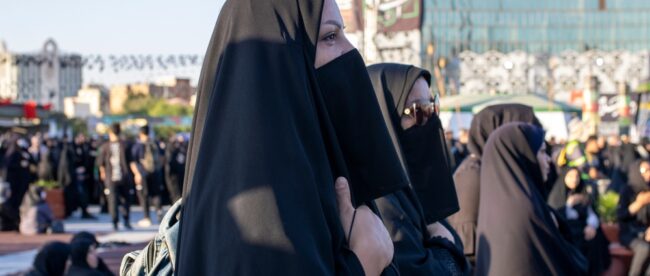
Iran Frauenrechte sind ein kontroverses Thema in der heutigen Gesellschaft. Frauen in Iran haben seit langem mit Diskriminierung und Unterdrückung zu kämpfen. Die Regierung hat Gesetze und Vorschriften erlassen, die Frauen in vielen Bereichen des Lebens benachteiligen.
Eine der umstrittensten Fragen im Zusammenhang mit Iran Frauenrechten ist das Thema der Kleidungsvorschriften. Frauen müssen in der Öffentlichkeit einen Hijab tragen, was oft als Symbol der Unterdrückung angesehen wird. Viele Frauen haben sich jedoch dafür eingesetzt, ihre eigenen Entscheidungen in Bezug auf ihre Kleidung zu treffen. Die Regierung hat in den letzten Jahren einige Lockerungen vorgenommen, aber es bleibt ein umstrittenes Thema.
Ein weiteres wichtiges Thema im Zusammenhang mit Iran Frauenrechten ist das Recht auf Bildung und Arbeit. Frauen haben das Recht auf Bildung und können in vielen Bereichen arbeiten, aber es gibt immer noch Einschränkungen und Diskriminierung. Frauen haben oft Schwierigkeiten, in Führungspositionen aufzusteigen oder in bestimmten Branchen zu arbeiten. Trotz dieser Herausforderungen kämpfen viele Frauen in Iran weiterhin für ihre Rechte und Gleichstellung.
Geschichte der Frauenrechte im Iran
Vorislamische Ära
In der vorislamischen Ära im Iran hatten Frauen eine wichtige Rolle in der Gesellschaft. Sie waren in der Lage, Eigentum zu besitzen und in der Wirtschaft zu arbeiten. Die Gesellschaft war jedoch patriarchalisch und Frauen hatten nicht die gleichen Rechte wie Männer.
Nach der Islamischen Revolution
Nach der Islamischen Revolution im Iran im Jahr 1979 wurden die Frauenrechte stark eingeschränkt. Frauen wurden gezwungen, den Hijab zu tragen und durften bestimmte Berufe nicht ausüben. Die Regierung erließ auch Gesetze, die Frauen in Bezug auf Scheidung, Sorgerecht und Erbschaft benachteiligten.
In den letzten Jahren hat die iranische Regierung einige Reformen durchgeführt, um die Frauenrechte zu verbessern. Frauen haben jetzt das Recht, zu wählen und gewählt zu werden, und können in bestimmten Berufen arbeiten, die früher für Männer reserviert waren. Es gibt jedoch immer noch viele Herausforderungen, mit denen Frauen im Iran konfrontiert sind, insbesondere in Bezug auf die Gleichstellung der Geschlechter.
Aktuelle Gesetze und Frauenrechte
In Iran haben Frauen bestimmte Rechte, die jedoch in einigen Bereichen eingeschränkt sind. In diesem Abschnitt werden die aktuellen Gesetze und Frauenrechte in Bezug auf Familienrecht, Bildung und Beruf sowie Kleiderordnung erläutert.
Familienrecht
Im Iran ist das Familienrecht Teil des islamischen Rechts und wird durch das Zivilgesetzbuch geregelt. Frauen haben das Recht auf Eheschließung, Scheidung und Sorgerecht für ihre Kinder. Allerdings haben Männer das Recht, eine Scheidung einzureichen, ohne dass die Zustimmung ihrer Ehefrauen erforderlich ist. Auch das Recht auf Unterhalt und Erbschaft ist für Frauen oft begrenzt.
Bildung und Beruf
Frauen haben in Iran das Recht auf Bildung und können in fast allen Berufen arbeiten. Es gibt jedoch einige Einschränkungen, insbesondere in Bezug auf bestimmte Bereiche wie Regierungsposten oder bestimmte Studiengänge. Frauen müssen auch eine islamische Kleiderordnung einhalten, wenn sie zur Arbeit gehen.
Kleiderordnung
In Iran gibt es eine Kleiderordnung, die von Frauen und Männern einzuhalten ist. Frauen müssen in der Öffentlichkeit ein Kopftuch und lange, lockere Kleidung tragen. Die Kleidung darf nicht zu eng anliegen oder zu viel Haut zeigen. Es ist auch verboten, Make-up in der Öffentlichkeit zu tragen. Diese Regeln gelten für alle Frauen, unabhängig von ihrer Religion oder Nationalität.
Insgesamt haben Frauen in Iran bestimmte Rechte, die jedoch in einigen Bereichen eingeschränkt sind. Die Einhaltung der islamischen Kleiderordnung ist ein wichtiger Aspekt des täglichen Lebens für Frauen in Iran.
Frauenrechtsbewegungen im Iran
Im Iran gibt es seit vielen Jahren Frauenrechtsbewegungen, die für die Gleichberechtigung von Frauen kämpfen. Zwei der bekanntesten Bewegungen sind die „Grüne Bewegung“ und die „One Million Signatures Campaign“.
Grüne Bewegung
Die Grüne Bewegung entstand im Jahr 2009 nach den umstrittenen Präsidentschaftswahlen im Iran. Frauen spielten eine wichtige Rolle in dieser Bewegung, da sie sich aktiv an Protesten und Demonstrationen beteiligten. Die Bewegung forderte unter anderem mehr Freiheiten für Frauen und eine Gleichstellung in allen Bereichen des Lebens.
One Million Signatures Campaign
Die One Million Signatures Campaign ist eine Bewegung, die sich für die Abschaffung diskriminierender Gesetze im Iran einsetzt. Diese Gesetze betreffen vor allem Frauen, da sie in vielen Bereichen des Lebens benachteiligt werden. Die Kampagne sammelt Unterschriften von Menschen, die sich für die Gleichberechtigung von Frauen im Iran einsetzen.
Insgesamt haben Frauenrechtsbewegungen im Iran in den letzten Jahren Fortschritte erzielt, aber es gibt noch viel zu tun, um die Gleichstellung von Frauen im Land zu erreichen.
Internationale Perspektive und Reaktionen
UN-Frauenrechtskonvention
Die UN-Frauenrechtskonvention, auch bekannt als das Übereinkommen zur Beseitigung jeder Form von Diskriminierung der Frau, wurde von der Generalversammlung der Vereinten Nationen am 18. Dezember 1979 verabschiedet. Iran hat das Übereinkommen am 6. April 1993 unterzeichnet, jedoch noch nicht ratifiziert.
Die Nicht-Ratifizierung des Übereinkommens durch Iran hat zu internationaler Kritik geführt. Die Konvention fordert die Gleichstellung der Geschlechter und die Beseitigung von Diskriminierung und Gewalt gegen Frauen. Die Nicht-Ratifizierung zeigt, dass Iran noch einen weiten Weg vor sich hat, um Frauenrechte zu gewährleisten.
Internationale Sanktionen
Iran hat aufgrund seiner Menschenrechtsverletzungen, einschließlich der Verletzung der Frauenrechte, internationale Sanktionen von verschiedenen Ländern und Organisationen erhalten. Diese Sanktionen zielen darauf ab, Iran unter Druck zu setzen, um die Achtung der Menschenrechte zu fördern.
Im Jahr 2019 hat die Europäische Union Sanktionen gegen acht iranische Staatsbürger verhängt, die an der Unterdrückung von Frauenrechten beteiligt waren. Die USA haben ebenfalls Sanktionen gegen Iran verhängt, die sich auf Menschenrechtsverletzungen und Terrorismus konzentrieren.
Die internationalen Sanktionen gegen Iran haben jedoch auch Auswirkungen auf die iranische Bevölkerung insgesamt. Die Sanktionen haben die Wirtschaft des Landes beeinträchtigt und den Zugang zu medizinischer Versorgung und anderen grundlegenden Bedürfnissen erschwert.
Herausforderungen und Kritikpunkte
Zugang zur Justiz
Frauen im Iran haben oft Schwierigkeiten, Zugang zur Justiz zu erhalten. Dies liegt zum Teil daran, dass das iranische Rechtssystem auf der Scharia basiert, die Frauen in einigen Fällen benachteiligt. Zum Beispiel ist die Aussage einer Frau vor Gericht oft weniger wert als die eines Mannes. Darüber hinaus haben Frauen oft Schwierigkeiten, Anwälte zu finden, die bereit sind, sie zu vertreten. Dies liegt zum Teil daran, dass das iranische Rechtssystem Anwälte bestraft, die Frauen verteidigen, die gegen das Gesetz verstoßen haben.
Diskriminierung im Rechtssystem
Frauen im Iran werden oft diskriminiert, wenn es um das Rechtssystem geht. Zum Beispiel werden Frauen oft zu härteren Strafen verurteilt als Männer für dieselben Verbrechen. Darüber hinaus haben Frauen oft Schwierigkeiten, ihre Rechte vor Gericht durchzusetzen, insbesondere in Angelegenheiten wie Scheidung, Sorgerecht und Erbschaft. Frauen haben auch Schwierigkeiten, sich gegen häusliche Gewalt und sexuellen Missbrauch zur Wehr zu setzen, da das iranische Rechtssystem diese Verbrechen oft nicht ernst nimmt.
Insgesamt gibt es viele Herausforderungen und Kritikpunkte im Zusammenhang mit den Frauenrechten im Iran. Frauen haben oft Schwierigkeiten, Zugang zur Justiz zu erhalten, und werden im Rechtssystem oft diskriminiert. Es gibt jedoch auch Organisationen und Aktivisten im Iran und auf der ganzen Welt, die sich für die Rechte der Frauen im Iran einsetzen und versuchen, diese Herausforderungen zu überwinden.
Zukunftsperspektiven und Reformansätze
Die Zukunftsperspektiven für Frauenrechte im Iran sind gemischt. Einerseits gibt es Anzeichen für eine zunehmende Sensibilisierung und Mobilisierung der iranischen Frauenbewegung sowie für eine größere Unterstützung seitens der internationalen Gemeinschaft. Andererseits gibt es weiterhin erhebliche Hindernisse und Rückschläge, die es zu überwinden gilt.
Ein vielversprechender Reformansatz ist die Forderung nach einer Reform des iranischen Familienrechts, das derzeit diskriminierende Regelungen für Frauen enthält. Hierbei geht es insbesondere um die Abschaffung des männlichen Vormundschaftssystems sowie um die Gleichstellung von Frauen und Männern in Bezug auf Scheidung, Erbschaft und Sorgerecht.
Ein weiterer wichtiger Ansatzpunkt ist die Förderung von Bildung und Berufstätigkeit für Frauen. Hierbei geht es darum, Frauen den Zugang zu Bildung und Ausbildung zu erleichtern sowie sie bei der Suche nach Arbeitsplätzen zu unterstützen. Zudem müssen Arbeitgeber dazu ermutigt werden, Frauen gleichberechtigt zu beschäftigen und zu fördern.
Neben diesen konkreten Reformansätzen ist es jedoch auch wichtig, das Bewusstsein für Frauenrechte und Genderfragen in der iranischen Gesellschaft insgesamt zu stärken. Hierzu können Kampagnen und Aufklärungsarbeit beitragen, die über die Rechte von Frauen informieren und Diskriminierung und Gewalt gegen Frauen öffentlich anprangern.
Insgesamt bleibt jedoch abzuwarten, inwieweit die iranische Regierung bereit ist, konkrete Schritte zur Verbesserung der Frauenrechte zu unternehmen. Die internationale Gemeinschaft kann hierbei jedoch durch gezielte politische und wirtschaftliche Maßnahmen Druck ausüben und die iranische Frauenbewegung unterstützen.
Dubai Frauenrechte: Ein Überblick über die aktuelle Situation

Frauenrechte in Dubai sind ein Thema, das in den letzten Jahren vermehrt in den Fokus gerückt ist. Dubai ist eine Stadt, die für ihre modernen Wolkenkratzer, luxuriösen Einkaufszentren und beeindruckenden Sehenswürdigkeiten bekannt ist. Doch trotz des modernen Erscheinungsbildes der Stadt gibt es immer noch einige Bereiche, in denen Frauenrechte eingeschränkt sind.
In den Vereinigten Arabischen Emiraten, zu denen auch Dubai gehört, gibt es eine patriarchalische Gesellschaftsstruktur, die sich auch auf die Rolle der Frauen auswirkt. Frauen haben zwar das Recht auf Bildung und Arbeit, jedoch gibt es immer noch Einschränkungen in Bezug auf ihre Freiheiten und Rechte. Zum Beispiel müssen Frauen in der Öffentlichkeit bestimmte Kleidungsvorschriften einhalten und es gibt auch Einschränkungen bei der Reisefreiheit.
Geschichte der Frauenrechte in Dubai
Dubai hat in den letzten Jahrzehnten enorme Fortschritte in Bezug auf Frauenrechte gemacht. Die Geschichte der Frauenrechte in Dubai ist jedoch relativ kurz, da das Land erst 1971 unabhängig wurde.
In den frühen 2000er Jahren führte Dubai eine Reihe von Reformen durch, die darauf abzielten, die Rolle der Frauen in der Gesellschaft zu verbessern. Die Regierung hat Gesetze erlassen, die Frauen das Recht auf Bildung, Arbeit und politische Teilhabe garantieren. Frauen haben auch das Recht, Eigentum zu besitzen und zu erben.
Heute sind Frauen in Dubai in verschiedenen Berufen tätig, von der Regierung über das Finanzwesen bis hin zur Medizin. Frauen haben auch in der Politik eine zunehmend wichtige Rolle gespielt. Im Jahr 2019 wurden beispielsweise 50 Prozent der Sitze im FNC (Federal National Council) von Frauen besetzt.
Obwohl Frauen in Dubai viele Freiheiten genießen, gibt es immer noch Bereiche, in denen Verbesserungen erforderlich sind. Zum Beispiel gibt es immer noch eine geschlechtsspezifische Lohnlücke und Frauen sind in einigen Berufen unterrepräsentiert.
Insgesamt hat Dubai in den letzten Jahrzehnten wichtige Fortschritte bei der Förderung der Frauenrechte gemacht. Es bleibt jedoch noch viel zu tun, um sicherzustellen, dass Frauen in allen Bereichen der Gesellschaft gleichberechtigt sind.
Rechtliche Rahmenbedingungen
Dubai hat in den letzten Jahren erhebliche Fortschritte bei der Verbesserung der Frauenrechte gemacht. Das Land hat eine Reihe von Gesetzen und Vorschriften erlassen, um die Rechte von Frauen zu schützen und zu fördern.
Verfassung und Gesetze
Die Verfassung der Vereinigten Arabischen Emirate (VAE) garantiert die Gleichheit aller Bürger vor dem Gesetz, unabhängig von Geschlecht, Rasse oder Religion. Die Regierung hat auch eine Reihe von Gesetzen erlassen, um die Rechte von Frauen zu schützen. Zum Beispiel gibt es Gesetze, die Frauen vor Diskriminierung am Arbeitsplatz schützen und die gleichen Arbeitsbedingungen und Vergütungen für Männer und Frauen vorschreiben.
Arbeitsrecht
Frauen haben in Dubai die gleichen Arbeitsrechte wie Männer. Sie haben das Recht auf gleiche Bezahlung für gleiche Arbeit, Mutterschaftsurlaub und Schutz vor Diskriminierung am Arbeitsplatz. Die Regierung hat auch Maßnahmen ergriffen, um die Beschäftigung von Frauen zu fördern, indem sie beispielsweise Frauen bevorzugt für bestimmte Arbeitsplätze einstellt.
Familienrecht
Das Familienrecht in Dubai ist im Allgemeinen sehr konservativ und basiert auf der Scharia. Frauen haben jedoch das Recht auf eine angemessene Unterstützung durch ihre Ehemänner und das Recht auf Sorgerecht für ihre Kinder. Die Regierung hat auch Maßnahmen ergriffen, um die Rechte von Frauen in Bezug auf Scheidung und Erbschaft zu schützen.
Insgesamt hat Dubai in den letzten Jahren erhebliche Fortschritte bei der Verbesserung der Rechte von Frauen gemacht. Die Regierung hat eine Reihe von Gesetzen und Vorschriften erlassen, um die Rechte von Frauen zu schützen und zu fördern. Obwohl das Familienrecht in Dubai konservativ ist, haben Frauen immer noch das Recht auf angemessene Unterstützung und Sorgerecht für ihre Kinder.
Bildung und Berufstätigkeit
Bildungszugang für Frauen
In Dubai haben Frauen das Recht auf Bildung und können an allen Bildungseinrichtungen teilnehmen. Es gibt keine Einschränkungen oder Diskriminierung aufgrund des Geschlechts. Frauen haben Zugang zu allen Bildungsstufen, von der Grundschule bis zur Universität. Die Regierung hat auch verschiedene Initiativen gestartet, um die Bildung von Frauen zu fördern und sicherzustellen, dass sie die gleichen Möglichkeiten wie Männer haben.
Frauen in Führungspositionen
Dubai hat in den letzten Jahren große Fortschritte bei der Förderung der Gleichstellung von Frauen im Arbeitsplatz gemacht. Frauen haben die Möglichkeit, in verschiedenen Branchen und Bereichen zu arbeiten und in Führungspositionen aufzusteigen. Die Regierung hat auch Initiativen gestartet, um Frauen in Führungspositionen zu fördern und sicherzustellen, dass sie die gleichen Chancen wie Männer haben.
In vielen Unternehmen gibt es Frauen in Führungspositionen, insbesondere in den Bereichen Bildung, Gesundheitswesen und Regierung. Es gibt auch viele Frauen, die erfolgreiche Unternehmerinnen sind und ihre eigenen Unternehmen leiten. Die Regierung hat verschiedene Programme und Initiativen gestartet, um Frauen zu ermutigen, in Führungspositionen aufzusteigen und ihre Karriereziele zu erreichen.
Soziale Normen und Kultur
Kleidungsvorschriften
In Dubai gibt es bestimmte Kleidungsvorschriften, die von Frauen beachtet werden müssen. Frauen sollten ihre Schultern und Knie bedecken, wenn sie in der Öffentlichkeit sind. Es wird erwartet, dass Frauen keine eng anliegende Kleidung tragen und ihre Kleidung nicht durchsichtig sein darf. Frauen, die diese Vorschriften nicht befolgen, können von der Polizei verwarnt oder sogar festgenommen werden.
In einigen Bereichen Dubais, wie zum Beispiel in der Nähe von Moscheen oder Regierungsgebäuden, müssen Frauen eine Abaya tragen, die den ganzen Körper bedeckt. Es ist auch üblich, dass Frauen in Hotels und Restaurants eine Abaya tragen, wenn sie nicht angemessen gekleidet sind.
Öffentliches Verhalten
In Dubai gibt es bestimmte Verhaltensregeln, die Frauen beachten sollten. Es wird erwartet, dass Frauen in der Öffentlichkeit respektvoll und zurückhaltend sind. Es ist unangemessen, in der Öffentlichkeit zu rauchen oder zu trinken, und es wird erwartet, dass Frauen sich nicht in der Öffentlichkeit küssen oder umarmen.
Frauen sollten auch darauf achten, dass sie in der Öffentlichkeit nicht zu viel Haut zeigen. Es ist unangemessen, in der Öffentlichkeit zu tanzen oder laute Musik zu hören. Frauen sollten auch darauf achten, dass sie keine obszönen Gesten machen oder laut sprechen.
Insgesamt ist es wichtig, dass Frauen die kulturellen und sozialen Normen in Dubai respektieren und beachten. Es ist auch wichtig, dass Frauen sich bewusst sind, dass diese Normen und Vorschriften Teil der Kultur und Traditionen Dubais sind.
Frauenorganisationen und Aktivismus
In Dubai gibt es eine Vielzahl von Frauenorganisationen und Aktivistinnen, die sich für die Rechte von Frauen einsetzen. Eine dieser Organisationen ist das „Dubai Women Establishment“, das sich für die Förderung von Frauen in der Wirtschaft und der Gesellschaft einsetzt.
Ein weiteres Beispiel ist die Organisation „Dubai Women’s Association“, die sich für die Stärkung der Rolle von Frauen in der Gesellschaft einsetzt und verschiedene Programme und Initiativen anbietet, um Frauen zu unterstützen und zu fördern.
Aktivistinnen wie Zahra Lari setzen sich auch für die Förderung von Frauen im Sport ein. Lari ist eine erfolgreiche Eiskunstläuferin und kämpft für die Gleichberechtigung von Frauen im Sport.
Es gibt auch internationale Organisationen wie „UN Women“, die in Dubai tätig sind und sich für die Förderung von Frauenrechten einsetzen. Diese Organisation bietet verschiedene Programme und Initiativen an, um Frauen in Dubai zu unterstützen und zu fördern.
Insgesamt gibt es in Dubai eine wachsende Anzahl von Frauenorganisationen und Aktivistinnen, die sich für die Rechte von Frauen einsetzen und die Rolle von Frauen in der Gesellschaft stärken wollen.
Internationale Perspektive und Vergleiche
Dubai hat in den letzten Jahren einige Fortschritte bei der Gleichstellung der Geschlechter gemacht. Im Jahr 2019 wurde das Gesetz zur Gleichstellung der Geschlechter verabschiedet, das Frauen in Dubai dieselben Rechte wie Männer gibt. Dieses Gesetz ist ein wichtiger Schritt in Richtung Gleichstellung der Geschlechter und hat Dubai auf die Liste der fortschrittlichsten Länder im Nahen Osten gesetzt.
Im Vergleich zu anderen Ländern in der Region sind die Frauenrechte in Dubai relativ gut. In Saudi-Arabien, einem Nachbarland von Dubai, haben Frauen erst kürzlich das Recht erhalten, Auto zu fahren und ohne Zustimmung eines männlichen Vormunds zu reisen. In den Vereinigten Arabischen Emiraten (VAE) haben Frauen Zugang zu Bildung, Gesundheitsversorgung und Arbeitsplätzen.
Allerdings gibt es immer noch Bereiche, in denen Dubai Verbesserungen vornehmen könnte. Zum Beispiel gibt es immer noch eine geschlechtsspezifische Lohnlücke, die Frauen benachteiligt. Obwohl Frauen in Dubai dieselben Rechte wie Männer haben, gibt es immer noch Vorurteile und Diskriminierung in einigen Bereichen.
Insgesamt hat Dubai in den letzten Jahren Fortschritte bei der Gleichstellung der Geschlechter gemacht. Es gibt jedoch noch Raum für Verbesserungen, um sicherzustellen, dass Frauen in Dubai die gleichen Möglichkeiten und Rechte wie Männer haben.
Wer hat sich für Frauenrechte eingesetzt
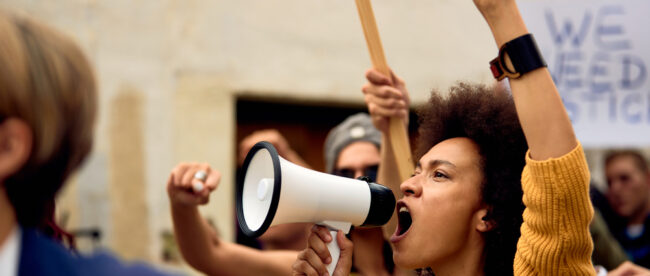
Für Frauenrechte zu kämpfen ist ein wichtiges Thema, das in der Geschichte immer wieder aufgegriffen wurde. Viele Menschen haben sich im Laufe der Zeit für die Rechte von Frauen eingesetzt und damit einen wichtigen Beitrag zur Gleichberechtigung geleistet. In diesem Artikel wird untersucht, wer sich in der Vergangenheit für Frauenrechte eingesetzt hat und welche Auswirkungen dies auf die heutige Gesellschaft hat.
Einige der bekanntesten Persönlichkeiten, die sich für Frauenrechte eingesetzt haben, sind Susan B. Anthony, Elizabeth Cady Stanton und Alice Paul. Diese Frauen waren wichtige Aktivistinnen in der Frauenbewegung des 19. und 20. Jahrhunderts in den USA und setzten sich für das Frauenwahlrecht und andere Rechte ein. Ihr Einsatz trug dazu bei, dass Frauen heute in vielen Ländern die gleichen Rechte wie Männer haben.
Aber auch außerhalb der USA gab es Frauen und Männer, die sich für Frauenrechte einsetzten. In Deutschland kämpfte beispielsweise Clara Zetkin für das Frauenwahlrecht und gründete die Internationale Frauenliga für Frieden und Freiheit. Auch in anderen Ländern wie Großbritannien, Frankreich und Schweden gab es wichtige Aktivistinnen und Aktivisten, die sich für Frauenrechte stark machten.
Historische Entwicklung der Frauenrechte
Die Anfänge der Frauenrechtsbewegung
Die Frauenrechtsbewegung begann im 19. Jahrhundert. Frauen in Europa und Nordamerika kämpften für ihr Recht auf Bildung, politische Teilhabe und Gleichstellung vor dem Gesetz. Eine der bekanntesten Aktivistinnen dieser Zeit war die Engländerin Emmeline Pankhurst, die für das Frauenwahlrecht kämpfte.
Frauenwahlrecht
Das Frauenwahlrecht war eine der wichtigsten Errungenschaften der Frauenrechtsbewegung. In vielen Ländern wurde es erst im 20. Jahrhundert eingeführt. In Deutschland wurde das Frauenwahlrecht im Jahr 1918 eingeführt, in den USA im Jahr 1920.
Gleichstellungsgesetze
In den letzten Jahrzehnten wurden in vielen Ländern Gleichstellungsgesetze erlassen, die Diskriminierung aufgrund des Geschlechts verbieten. Diese Gesetze sollen sicherstellen, dass Frauen und Männer in allen Bereichen des Lebens gleichberechtigt sind. In Deutschland gibt es seit 2006 das Allgemeine Gleichbehandlungsgesetz (AGG), das Diskriminierung aufgrund des Geschlechts, aber auch aufgrund anderer Merkmale wie Rasse oder Religion, verbietet.
Bekannte Frauenrechtlerinnen
Olympe de Gouges
Olympe de Gouges war eine französische Schriftstellerin und Frauenrechtlerin, die im 18. Jahrhundert lebte. Sie setzte sich für die Gleichstellung der Geschlechter ein und forderte das Wahlrecht für Frauen. Ihre bekannteste Arbeit ist die „Erklärung der Rechte der Frau und Bürgerin“, die sie im Jahr 1791 veröffentlichte.
Susan B. Anthony
Susan B. Anthony war eine amerikanische Frauenrechtlerin, die im 19. Jahrhundert lebte. Sie kämpfte für das Frauenwahlrecht und gründete die National Woman Suffrage Association. Anthony gilt als eine der wichtigsten Persönlichkeiten der amerikanischen Frauenbewegung.
Emmeline Pankhurst
Emmeline Pankhurst war eine britische Frauenrechtlerin, die im 19. und 20. Jahrhundert lebte. Sie gründete die Women’s Social and Political Union, die für das Frauenwahlrecht kämpfte. Pankhurst wurde mehrmals verhaftet und ins Gefängnis gesteckt, aber ihr Einsatz für die Gleichstellung der Geschlechter trug schließlich Früchte.
Simone de Beauvoir
Simone de Beauvoir war eine französische Schriftstellerin und Philosophin, die im 20. Jahrhundert lebte. Sie schrieb das berühmte Buch „Das andere Geschlecht“, das als Klassiker der feministischen Literatur gilt. De Beauvoir setzte sich für die Gleichstellung der Geschlechter ein und kritisierte die traditionelle Rolle der Frau in der Gesellschaft.
Malala Yousafzai
Malala Yousafzai ist eine pakistanische Frauenrechtlerin, die im 21. Jahrhundert lebt. Sie setzt sich für das Recht auf Bildung für Mädchen und Frauen ein und wurde dafür mit dem Friedensnobelpreis ausgezeichnet. Yousafzai hat mehrere Bücher geschrieben und hält weltweit Vorträge über die Bedeutung der Bildung für die Gleichstellung der Geschlechter.
Internationale Frauenrechtsorganisationen
UN Women
Die United Nations Entity for Gender Equality and the Empowerment of Women (UN Women) ist eine Organisation der Vereinten Nationen, die sich für die Gleichstellung der Geschlechter und die Stärkung von Frauen und Mädchen weltweit einsetzt. UN Women arbeitet daran, die Rechte von Frauen und Mädchen zu fördern und zu schützen, indem sie politische Entscheidungsträger, Regierungen und die Zivilgesellschaft auf der ganzen Welt berät und unterstützt.
Amnesty International Frauensektion
Die Frauensektion von Amnesty International setzt sich weltweit für die Rechte von Frauen ein. Die Organisation kämpft gegen Diskriminierung und Gewalt gegen Frauen und Mädchen und setzt sich für ihre politische, wirtschaftliche und soziale Gleichstellung ein. Die Frauensektion von Amnesty International arbeitet eng mit anderen Organisationen und Gruppen zusammen, um auf die Bedürfnisse von Frauen aufmerksam zu machen und ihre Rechte zu schützen.
International Women’s Health Coalition
Die International Women’s Health Coalition (IWHC) ist eine Organisation, die sich für die Gesundheit und die Rechte von Frauen und Mädchen weltweit einsetzt. Die IWHC arbeitet daran, den Zugang von Frauen zu Gesundheitsdiensten und -informationen zu verbessern und setzt sich für die Stärkung von Frauen und Mädchen ein, damit sie ihre eigenen Entscheidungen über ihre Gesundheit und ihr Leben treffen können.
Insgesamt leisten diese internationalen Frauenrechtsorganisationen wichtige Arbeit, um die Rechte von Frauen und Mädchen weltweit zu fördern und zu schützen.
Frauenrechte in verschiedenen Kulturen
Frauenrechte sind in verschiedenen Kulturen unterschiedlich ausgeprägt und werden unterschiedlich interpretiert. In einigen Kulturen haben Frauen die gleichen Rechte wie Männer, während in anderen Kulturen Frauen diskriminiert werden und weniger Rechte haben.
In westlichen Ländern haben Frauen in den letzten Jahrzehnten große Fortschritte in Bezug auf ihre Rechte gemacht. Sie haben das Recht auf Bildung, Arbeit und politische Teilhabe. Frauen können wählen und gewählt werden und haben das Recht auf gleiche Bezahlung für gleiche Arbeit. In einigen Ländern haben Frauen auch das Recht auf Abtreibung und Verhütung.
In einigen afrikanischen Ländern haben Frauen dagegen immer noch mit Diskriminierung und Gewalt zu kämpfen. Sie haben oft keinen Zugang zu Bildung und Gesundheitsversorgung und sind häufig Opfer von Zwangsheirat, Genitalverstümmelung und häuslicher Gewalt.
In muslimischen Ländern haben Frauen ebenfalls weniger Rechte als Männer. Sie müssen oft den Schleier tragen und haben weniger Freiheiten in Bezug auf Bildung und Arbeit. In einigen Ländern haben Frauen auch weniger Rechte in der Ehe und können nicht ohne die Zustimmung ihres Ehemannes reisen oder arbeiten.
Es gibt jedoch auch Länder, in denen Frauenrechte einen hohen Stellenwert haben. In Island zum Beispiel haben Frauen die gleichen Rechte wie Männer und sind in vielen Bereichen gleichberechtigt. Auch in Skandinavien haben Frauen eine starke Stellung in der Gesellschaft und in der Politik.
Insgesamt gibt es also große Unterschiede in Bezug auf Frauenrechte in verschiedenen Kulturen. Es bleibt zu hoffen, dass sich die Situation für Frauen weltweit verbessert und dass sie in allen Bereichen des Lebens gleichberechtigt sind.
Aktuelle Herausforderungen und Kampagnen
Gender Pay Gap
Gender Pay Gap, auch bekannt als geschlechtsspezifische Lohnungleichheit, bleibt eine der größten Herausforderungen für Frauenrechte. In Deutschland verdienen Frauen im Durchschnitt immer noch 21% weniger als Männer. Die Gründe dafür sind komplex und umfassen Diskriminierung, mangelnde Vereinbarkeit von Familie und Beruf sowie die Tatsache, dass viele Frauen in schlechter bezahlten Branchen arbeiten.
Es gibt jedoch Kampagnen und Initiativen, die versuchen, den Gender Pay Gap zu schließen. Zum Beispiel hat die Bundesregierung das Entgelttransparenzgesetz eingeführt, das Unternehmen mit mehr als 200 Beschäftigten verpflichtet, regelmäßig Berichte über die Gehälter ihrer Mitarbeiter zu veröffentlichen. Es gibt auch viele Organisationen, die sich für faire Gehälter für Frauen einsetzen und Arbeitgeber dazu ermutigen, ihre Gehaltsstrukturen zu überprüfen.
Reproduktive Rechte
Reproduktive Rechte sind ein weiteres wichtiges Thema im Kampf um Frauenrechte. Frauen sollten das Recht haben, selbst zu entscheiden, ob und wann sie Kinder haben möchten. Leider gibt es immer noch Länder, in denen Abtreibung illegal ist oder nur unter bestimmten Bedingungen erlaubt ist. In Deutschland ist Abtreibung zwar legal, aber es gibt immer noch viele Einschränkungen und Schwierigkeiten, wenn Frauen eine Abtreibung durchführen möchten.
Es gibt jedoch Kampagnen und Organisationen, die sich für das Recht von Frauen auf reproduktive Gesundheit einsetzen. Zum Beispiel gibt es die Kampagne „My Body, My Choice“, die für das Recht von Frauen auf Abtreibung und reproduktive Freiheit kämpft. Es gibt auch viele Organisationen, die Frauen dabei helfen, Zugang zu sicheren und legalen Abtreibungen zu erhalten.
Gewalt gegen Frauen
Gewalt gegen Frauen ist ein weiteres großes Problem, das Frauenrechte bedroht. Frauen sind viel häufiger Opfer von Gewalt als Männer, und es gibt viele verschiedene Arten von Gewalt, einschließlich häuslicher Gewalt, sexueller Gewalt und Belästigung am Arbeitsplatz.
Es gibt jedoch viele Organisationen und Initiativen, die sich für das Ende von Gewalt gegen Frauen einsetzen. Zum Beispiel gibt es die Kampagne „Nein heißt Nein“, die sich gegen sexuelle Gewalt und Belästigung einsetzt. Es gibt auch viele Organisationen, die Frauen helfen, die Opfer von Gewalt geworden sind, und ihnen Unterstützung und Schutz bieten.
Insgesamt gibt es viele Herausforderungen im Kampf um Frauenrechte, aber es gibt auch viele Menschen und Organisationen, die sich für diese Rechte einsetzen. Durch Kampagnen und Initiativen können Frauenrechte gestärkt und geschützt werden.
Zukunft der Frauenrechtsbewegung
Die Frauenrechtsbewegung hat in den letzten Jahrzehnten bedeutende Fortschritte erzielt, aber es bleibt noch viel zu tun. In Zukunft wird die Bewegung weiterhin für die Gleichstellung der Geschlechter und die Beseitigung von Diskriminierung kämpfen.
Eine wichtige Rolle wird dabei die Förderung von Bildung und Empowerment von Frauen spielen. Frauen müssen in der Lage sein, ihre Rechte zu kennen und für sie einzutreten. Auch die Förderung von Frauen in Führungspositionen und die Beseitigung von Lohnunterschieden zwischen den Geschlechtern sind wichtige Ziele.
Die Frauenrechtsbewegung wird auch weiterhin gegen Gewalt gegen Frauen kämpfen. Dies umfasst nicht nur physische Gewalt, sondern auch sexuelle Belästigung, Stalking und Mobbing am Arbeitsplatz.
Um diese Ziele zu erreichen, wird die Zusammenarbeit mit Regierungen, internationalen Organisationen und der Zivilgesellschaft von entscheidender Bedeutung sein. Die Frauenrechtsbewegung wird auch weiterhin auf die Unterstützung von Männern angewiesen sein, die sich für die Gleichstellung der Geschlechter einsetzen und ihre Privilegien und Vorurteile überwinden.
Insgesamt wird die Zukunft der Frauenrechtsbewegung davon abhängen, wie gut sie in der Lage ist, sich den Herausforderungen anzupassen und neue Strategien zu entwickeln, um ihre Ziele zu erreichen.
Seit wann gibt es Frauenrechte? Eine kurze Geschichte der Frauenrechtsbewegung
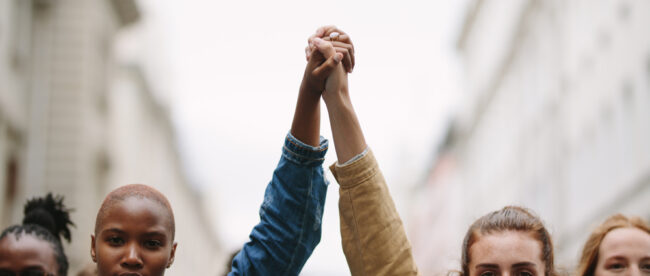
Frauenrechte haben in der Geschichte eine lange Entwicklung durchgemacht. Die Frage nach dem Ursprung der Frauenrechte ist jedoch nicht so einfach zu beantworten. Es gibt keine klare und eindeutige Antwort darauf, seit wann es Frauenrechte gibt.
Ein möglicher Ausgangspunkt für die Geschichte der Frauenrechte ist die Französische Revolution im späten 18. Jahrhundert. Die Revolutionäre forderten „Freiheit, Gleichheit, Brüderlichkeit“ und propagierten damit auch die Idee der Gleichberechtigung. Die Frauen waren jedoch von diesen Forderungen ausgeschlossen und mussten weiterhin unter männlicher Vorherrschaft leben. Erst im 19. Jahrhundert begannen Frauen, sich für ihre Rechte einzusetzen und gründeten Frauenbewegungen.
Die Frauenbewegungen forderten das Wahlrecht für Frauen, gleiche Bildungschancen und gleiche Bezahlung für gleiche Arbeit. Mit der Zeit wurden diese Forderungen nach und nach umgesetzt. Heute haben Frauen in vielen Ländern das gleiche Wahlrecht wie Männer und sind in allen Bereichen der Gesellschaft vertreten. Trotzdem gibt es noch immer viele Herausforderungen und Ungleichheiten, die es zu überwinden gilt.
Ursprünge der Frauenrechte
Antike
In der Antike gab es bereits erste Ansätze von Frauenrechten. In Sparta durften Frauen beispielsweise an sportlichen Wettkämpfen teilnehmen und erhielten eine gewisse Bildung. In Athen hingegen waren Frauen von der politischen Teilhabe ausgeschlossen und hatten kaum Rechte. Dennoch gab es auch hier Frauen, die sich für ihre Rechte einsetzten, wie beispielsweise die Philosophin und Dichterin Sappho.
Mittelalter
Im Mittelalter waren Frauenrechte stark eingeschränkt. Frauen wurden als minderwertig angesehen und waren oft von der Bildung ausgeschlossen. Sie hatten kaum Einfluss auf politische Entscheidungen und waren auf Männer angewiesen, um ihre Interessen zu vertreten. Dennoch gab es auch hier Frauen, die sich für ihre Rechte einsetzten, wie beispielsweise die Heilige Hildegard von Bingen, die als Äbtissin eine wichtige Rolle in der Kirche spielte.
Frühe Neuzeit
In der frühen Neuzeit gab es erste Ansätze von Frauenrechten. In England wurde 1792 die erste Frauenrechtsbewegung gegründet. In Frankreich forderten Frauen während der Revolution 1789 die Gleichstellung der Geschlechter. In Deutschland setzten sich Frauen wie Louise Otto-Peters für das Frauenwahlrecht ein. Dennoch dauerte es noch viele Jahre, bis Frauen in vielen Ländern das Wahlrecht erhielten und ihre Rechte umfassend anerkannt wurden.
Insgesamt lässt sich sagen, dass Frauenrechte ein langer und mühsamer Kampf waren und auch heute noch nicht in allen Ländern und Bereichen vollständig umgesetzt sind. Dennoch haben Frauen im Laufe der Geschichte immer wieder für ihre Rechte gekämpft und damit wichtige Fortschritte erzielt.
Frauenrechte im 19. Jahrhundert
Anfänge der Frauenbewegung
Im 19. Jahrhundert begannen Frauen, sich verstärkt für ihre Rechte einzusetzen. Die Frauenbewegung hatte ihren Ursprung in Europa und den USA. Frauen forderten das Recht auf Bildung, politische Teilhabe und wirtschaftliche Unabhängigkeit. In Deutschland gründeten Frauenvereine wie der Allgemeine Deutsche Frauenverein (ADF) und der Verein Frauenwohl ihre ersten Organisationen. Diese Vereine setzten sich für die Gleichberechtigung von Frauen und Männern ein.
Rechtliche Fortschritte
Im Laufe des 19. Jahrhunderts gab es auch einige rechtliche Fortschritte für Frauen. In Deutschland wurde 1900 das Bürgerliche Gesetzbuch (BGB) eingeführt, das einige Rechte für Frauen festlegte. So erhielten Frauen das Recht auf Eigentum und das Recht, ein eigenes Bankkonto zu eröffnen. Allerdings war das Wahlrecht für Frauen noch nicht durchgesetzt.
In Großbritannien setzte sich die Frauenbewegung für das Wahlrecht ein. 1918 erhielten Frauen über 30 Jahren das Wahlrecht. Erst 1928 wurde das Wahlrecht auf alle Frauen über 21 Jahren ausgeweitet.
In den USA kämpften Frauen wie Susan B. Anthony und Elizabeth Cady Stanton für das Frauenwahlrecht. 1920 wurde der 19. Zusatzartikel zur Verfassung der Vereinigten Staaten verabschiedet, der Frauen das Wahlrecht garantierte.
Obwohl es im 19. Jahrhundert einige Fortschritte für Frauen gab, waren sie in vielen Bereichen immer noch benachteiligt. Es dauerte noch viele Jahre, bis Frauen in allen Ländern das gleiche Wahlrecht und die gleichen Rechte wie Männer hatten.
Frauenwahlrecht
Internationaler Überblick
Das Frauenwahlrecht ist ein wichtiger Meilenstein in der Geschichte der Frauenrechte. Es ermöglicht Frauen, ihre Stimme bei Wahlen abzugeben und politisch mitzuentscheiden. Das Frauenwahlrecht wurde jedoch nicht überall zur gleichen Zeit eingeführt.
In einigen Ländern wie Neuseeland, Australien und Finnland wurde das Frauenwahlrecht bereits zu Beginn des 20. Jahrhunderts eingeführt. In anderen Ländern wie Saudi-Arabien und den Vereinigten Arabischen Emiraten haben Frauen bis heute kein Wahlrecht.
Kampf und Durchbruch in Deutschland
In Deutschland wurde das Frauenwahlrecht erst im Jahr 1918 eingeführt. Vorher waren Frauen von politischen Entscheidungen ausgeschlossen. Der Kampf für das Frauenwahlrecht in Deutschland begann jedoch schon viel früher.
Bereits im 19. Jahrhundert forderten Frauenrechtlerinnen wie Louise Otto-Peters und Auguste Schmidt das Wahlrecht für Frauen. Der Durchbruch kam jedoch erst nach dem Ersten Weltkrieg. Durch die Novemberrevolution 1918 wurde die Weimarer Republik ausgerufen und das Frauenwahlrecht eingeführt.
Das Frauenwahlrecht war ein wichtiger Schritt in Richtung Gleichberechtigung der Geschlechter. Heute haben Frauen in Deutschland die gleichen politischen Rechte wie Männer.
Entwicklung nach dem Zweiten Weltkrieg
Gleichberechtigungsgesetze
Nach dem Zweiten Weltkrieg wurden in Deutschland und anderen Ländern zahlreiche Gesetze erlassen, die die Gleichberechtigung von Frauen und Männern förderten. So wurde beispielsweise 1949 in Deutschland das Grundgesetz verabschiedet, das die Gleichberechtigung von Mann und Frau ausdrücklich festlegt. Auch in anderen Ländern wurden ähnliche Gesetze erlassen, die die Rechte von Frauen stärkten.
Feministische Bewegung der 1960er
In den 1960er Jahren entstand in vielen Ländern eine starke feministische Bewegung, die für die Rechte von Frauen eintrat. Diese Bewegung setzte sich unter anderem für das Recht auf Abtreibung, gleichen Lohn für gleiche Arbeit und die Abschaffung sexistischer Gesetze ein. Durch den Einsatz von Demonstrationen und anderen Aktionsformen konnte die Bewegung viele Erfolge erzielen und die Stellung von Frauen in der Gesellschaft nachhaltig verbessern.
Insgesamt lässt sich sagen, dass die Rechte von Frauen seit dem Zweiten Weltkrieg kontinuierlich gestärkt wurden. Durch die Einführung von Gleichberechtigungsgesetzen und den Einsatz von feministischen Bewegungen konnten viele Fortschritte erzielt werden, die dazu beigetragen haben, dass Frauen heute in vielen Bereichen gleichberechtigt sind.
Moderne Entwicklungen
Geschlechtergleichstellung
In der modernen Gesellschaft haben sich Frauenrechte deutlich verbessert. Die Geschlechtergleichstellung ist ein wichtiger Aspekt, der in vielen Ländern der Welt vorangetrieben wird. Frauen haben heute mehr Möglichkeiten und Rechte als je zuvor. Sie können wählen, welche Karriere sie verfolgen möchten, haben die Möglichkeit, auf höheren Ebenen zu arbeiten, und können ihr Leben selbstbestimmt gestalten.
Ein wichtiger Schritt zur Geschlechtergleichstellung war die Einführung von Gesetzen, die Diskriminierung aufgrund des Geschlechts verbieten. In vielen Ländern ist es heute illegal, Frauen aufgrund ihres Geschlechts zu diskriminieren. Dies hat dazu beigetragen, dass Frauen heute in vielen Bereichen des Lebens gleichberechtigt sind.
Internationale Abkommen
Internationale Abkommen haben ebenfalls dazu beigetragen, die Rechte von Frauen zu verbessern. Das Übereinkommen zur Beseitigung jeder Form von Diskriminierung der Frau (CEDAW) ist ein Beispiel dafür. Es wurde 1979 von den Vereinten Nationen verabschiedet und hat dazu beigetragen, die Geschlechtergleichstellung weltweit voranzutreiben.
Ein weiteres wichtiges internationales Abkommen ist die Agenda 2030 für nachhaltige Entwicklung. Hierbei handelt es sich um ein Programm der Vereinten Nationen, das darauf abzielt, bis 2030 eine nachhaltige Entwicklung auf wirtschaftlicher, sozialer und ökologischer Ebene zu erreichen. Ein wichtiger Aspekt der Agenda 2030 ist die Förderung der Geschlechtergleichstellung und die Stärkung der Rechte von Frauen.
Insgesamt haben moderne Entwicklungen dazu beigetragen, dass Frauenrechte heute besser geschützt sind als je zuvor. Die Geschlechtergleichstellung und internationale Abkommen haben dazu beigetragen, dass Frauen weltweit mehr Möglichkeiten und Rechte haben.
Typische Fehler im Online Casino

Im Online Casino zu spielen kann eine aufregende und unterhaltsame Erfahrung sein. Allerdings gibt es auch typische Fehler, die Spieler machen können, die ihre Gewinnchancen mindern oder sogar zu Verlusten führen können. In diesem Artikel werden einige dieser Fehler vorgestellt und Tipps gegeben, wie man sie vermeiden kann.
Einer der häufigsten Fehler im Online Casino ist es, ohne klare Strategie zu spielen. Viele Spieler gehen einfach blindlings an die Spiele heran, ohne zu wissen, welche Wetten sie platzieren sollten oder welche Spiele die besten Gewinnchancen bieten. Andere Spieler setzen zu viel auf einmal oder verfolgen Verluste, anstatt sich an ein vernünftiges Budget zu halten. Diese Fehler können dazu führen, dass Spieler schnell ihr Geld verlieren und frustriert aufgeben.
Ein weiterer Fehler, den Spieler im Online Casino machen können, ist das Spielen unter Einfluss von Alkohol oder Drogen. Dies kann die Urteilsfähigkeit beeinträchtigen und zu impulsivem oder unvernünftigem Verhalten führen. Spieler sollten immer nüchtern bleiben, wenn sie im Online Casino mit Echtgeld spielen, um sicherzustellen, dass sie kluge Entscheidungen treffen und ihre Gewinnchancen maximieren.
Grundlegende Missverständnisse
In Online Casinos gibt es eine Vielzahl von Missverständnissen, die zu Fehlern führen können. Hier sind einige der häufigsten Missverständnisse:
Rechtslage und Lizenzierung
Ein häufiges Missverständnis ist, dass alle Online Casinos legal und sicher sind. Das ist jedoch nicht der Fall. Es ist wichtig, dass Spieler nur in Online Casinos spielen, die eine gültige Lizenz haben und von einer seriösen Regulierungsbehörde reguliert werden. Spieler sollten sich immer über die Rechtslage und Lizenzierung des Online Casinos informieren, bevor sie spielen.
Spielmechaniken und -algorithmen
Ein weiteres häufiges Missverständnis ist, dass die Spielmechaniken und -algorithmen in Online Casinos manipuliert sind. Das ist jedoch nicht der Fall. Online Casinos verwenden Zufallszahlengeneratoren, um sicherzustellen, dass alle Spiele fair und zufällig sind. Spieler sollten sich darüber im Klaren sein, dass die Gewinnchancen in Online Casinos genauso sind wie in landbasierten Casinos.
Es ist wichtig, dass Spieler die Spielregeln und -mechaniken verstehen, bevor sie spielen. Spieler sollten auch sicherstellen, dass sie die richtige Strategie für jedes Spiel verwenden, um ihre Gewinnchancen zu maximieren.
Insgesamt sollten Spieler immer sicherstellen, dass sie die Regeln und Vorschriften von Online Casinos verstehen, um Fehler zu vermeiden.
Häufige Spielfehler
Fehlerhafte Einsatzstrategien
Eine der häufigsten Fehler, die Spieler im Online Casino begehen, ist die Verwendung von falschen Einsatzstrategien. Viele Spieler setzen blind auf hohe Einsätze in der Hoffnung, schnell große Gewinne zu erzielen. Dies kann jedoch schnell dazu führen, dass das Spielbudget aufgebraucht wird, bevor überhaupt ein Gewinn erzielt wurde.
Eine bessere Strategie ist es, sich ein realistisches Ziel zu setzen und den Einsatz entsprechend anzupassen. Es ist auch wichtig, sich an die eigenen Grenzen zu halten und nicht mehr zu setzen, als man sich leisten kann.
Missachtung von Bonusbedingungen
Ein weiterer häufiger Fehler, den Spieler im Online Casino machen, ist die Missachtung von Bonusbedingungen. Viele Spieler nehmen Bonusangebote an, ohne sich die Bedingungen genau anzusehen. Dies kann dazu führen, dass der Bonus nicht ausgezahlt werden kann oder dass der Spieler hohe Umsatzbedingungen erfüllen muss, bevor er den Bonus auszahlen lassen kann.
Es ist daher ratsam, sich vor Annahme eines Bonusangebots die Bedingungen genau anzusehen und sicherzustellen, dass man diese auch erfüllen kann. Es ist auch wichtig, nur bei seriösen Online Casinos zu spielen, die transparente Bonusbedingungen haben.
Technische Stolpersteine
Verbindungsprobleme
Eine der häufigsten technischen Stolpersteine, auf die Spieler im Online Casino stoßen, sind Verbindungsprobleme. Diese können aufgrund verschiedener Faktoren wie schlechter Internetverbindung, Serverproblemen oder Überlastung der Online-Plattformen auftreten. In einigen Fällen kann es auch vorkommen, dass der Spieler aufgrund von Firewall-Einstellungen oder anderen Sicherheitsmaßnahmen seines Betriebssystems keine Verbindung zum Casino herstellen kann.
Um Verbindungsprobleme zu vermeiden, empfiehlt es sich, eine stabile und schnelle Internetverbindung zu haben und sicherzustellen, dass alle Firewall-Einstellungen und Sicherheitsmaßnahmen des Betriebssystems so eingestellt sind, dass sie mit der Online-Casino-Plattform kompatibel sind.
Gerätekompatibilität
Ein weiterer technischer Stolperstein im Online Casino ist die Gerätekompatibilität. Nicht alle Online-Casinos sind auf allen Geräten gleich gut zugänglich und funktionieren einwandfrei. Insbesondere ältere Geräte können Schwierigkeiten haben, mit den neuesten Online-Casino-Plattformen kompatibel zu sein.
Um sicherzustellen, dass das Online-Casino auf dem Gerät des Spielers einwandfrei funktioniert, sollte der Spieler sicherstellen, dass sein Gerät die Mindestanforderungen der Online-Casino-Plattform erfüllt. In einigen Fällen kann es auch notwendig sein, eine spezielle App herunterzuladen oder eine bestimmte Browser-Version zu verwenden, um eine optimale Leistung zu erzielen.
Zusammenfassend lässt sich sagen, dass Verbindungsprobleme und Gerätekompatibilität zwei der häufigsten technischen Stolpersteine im Online Casino sind. Spieler sollten sicherstellen, dass sie eine stabile und schnelle Internetverbindung haben und dass ihr Gerät mit der Online-Casino-Plattform kompatibel ist, um ein reibungsloses und unterbrechungsfreies Spielerlebnis zu gewährleisten.
Psychologische Fallstricke
In Online Casinos können Spieler aufgrund von psychologischen Faktoren schnell in eine Falle geraten. In diesem Abschnitt werden die häufigsten psychologischen Fallstricke erläutert, die Spieler beachten sollten.
Verfolgung von Verlusten
Ein häufiger Fehler, den Spieler machen, ist die Verfolgung von Verlusten. Wenn ein Spieler eine Verluststrähne hat, kann er versucht sein, weiter zu spielen, um seine Verluste auszugleichen. Dies kann jedoch zu noch größeren Verlusten führen. Es ist wichtig, dass Spieler ihre Verluste akzeptieren und nicht versuchen, sie zurückzugewinnen.
Aberglaube und Glücksspielfehlschlüsse
Ein weiterer psychologischer Fallstrick ist der Aberglaube und Glücksspielfehlschlüsse. Spieler können glauben, dass bestimmte Zahlen oder Wetten Glück bringen oder dass sie aufgrund vergangener Ereignisse einen Vorteil haben. Dies ist jedoch ein Trugschluss und hat keinen Einfluss auf das Ergebnis des Spiels. Spieler sollten sich auf Fakten und Statistiken konzentrieren und nicht auf Aberglauben oder falsche Überzeugungen.
Zusammenfassend sollten Spieler sich bewusst sein, dass psychologische Faktoren eine Rolle beim Spielen in Online Casinos spielen können. Indem sie sich auf Fakten und Statistiken konzentrieren und nicht auf Aberglauben oder falsche Überzeugungen, können sie ihre Chancen auf Erfolg verbessern.
Verantwortungsvolles Spielen
Selbstüberschätzung
Eine der häufigsten Ursachen für problematisches Glücksspiel ist Selbstüberschätzung. Spieler, die glauben, dass sie immer gewinnen werden und dass sie das Spiel kontrollieren können, sind oft gefährdet. Es ist wichtig, dass Spieler ihre Grenzen kennen und sich nicht überfordern. Ein guter Weg, um dies zu tun, ist, sich ein Budget zu setzen und sich daran zu halten.
Fehlendes Zeit- und Geldmanagement
Ein weiterer häufiger Fehler beim Online-Glücksspiel ist das Fehlen von Zeit- und Geldmanagement. Spieler sollten sich ein Zeitlimit setzen und nicht länger spielen als geplant. Es ist auch wichtig, dass sie ihr Budget im Auge behalten und nicht mehr ausgeben, als sie sich leisten können. Spieler sollten sich immer daran erinnern, dass Glücksspiel ein Unterhaltungsmedium ist und dass sie es nicht übertreiben sollten.
Verantwortungsvolles Spielen ist ein wichtiger Teil des Online-Glücksspiels. Spieler sollten sich bewusst sein, dass sie ihr Verhalten kontrollieren müssen, um problematisches Glücksspiel zu vermeiden. Indem sie ihre Grenzen kennen, ein Budget einhalten und ihr Zeit- und Geldmanagement im Auge behalten, können Spieler ein unterhaltsames und sicheres Online-Glücksspielerlebnis genießen.
Basketball Wetten


Basketball ist im deutschsprachigen Raum eine relativ beliebte Sportart und ist weiterhin im Kommen, aber im Endeffekt, immer noch nicht mehr als eine bessere und hervorgehobener Randsportart. Jeder von uns hat bestimmt schon einmal einen Basketball in der Hand gehabt und eventuell selber schon einmal sich am Körbe werfen probiert. Spätestens im Schulunterricht kommen die meisten Kinder und Jugendliche mit diesem Sport in Kontakt.
Wenn man aber dann die Menschen befragt ob schon einmal irgendeine Basketballliga verfolgt oder regelmäßig verfolgt haben, ist die Antwort im Regelfall immer die gleiche und zwar, Nein. In den letzten Jahren versuchen auch immer mehr TV Partner Basketball im Fernsehen zu platzieren und nicht immer nur Berichte über deutsche NBA Spieler. Im Moment sorgt wohl der FC Bayern für die größte Medien Aufmerksamkeit im Basketball Geschäft, da diese ihre Basketballmannschaft gerade sehr stark pushen. Wer schon immer mal auf diese Sportart tippen wollte oder sich zumindest von dieser angesprochen gefühlt hat, sollte auch den restlichen Text aufmerksam verfolgen, da einige Tipps für Basketball Wetten erläutert werden. Außerdem ist Basketball wohl der Sport nach Fußball und Tennis mit den meisten anzahlen von möglichen Wetten.
Wie sehen Tipps und Trick zu Basketball Wetten aus?
Sie sollten sich beim Basketball neben der NBA und den heimischen Ligen auch auf ausländische Ligen konzentrieren, welche den ersten Blick vielleicht etwas exotisch erscheinen können. Außerhalb der guten Ligen in den USA, Italien, Spanien, Türkei, Deutschland und teilweise Israel lohnt sich vor allem der Blick auf liegen in Australien, Neuseeland und auf die Philippinen. Auch wenn sich Neuseeland und Philippinen für sie wie ein Witz anhören mag, gelten diese liegen mitunter zu den interessantesten Ligen der Welt und dies liegt nicht zuletzt daran, dass diese liegen sehr von der USA geprägt sind. Über/Unter-Wetten auf die Anzahl der Gesamtpunkte sind besonders interessant für liegen USA, Spanien, Neuseeland und Philippinen. In diesem liegen lassen sich immer wieder gute Erträge erzielen. Finden Sie hier die besten Wettanbieter.
Einer der neu aufkommenden Riesen im Basketball sind die Chinesen. Die chinesische Liga, kann man inzwischen auch ein bisschen mit der NBA vergleichen. Auch wenn das Niveau sicherlich noch weitaus geringer ist, als das der Topstars aus der NBA, kann man jedoch heute schon feststellen, dass diese Liga mit ebenso guten Spielern aus dem chinesischen Reich gespickt ist. Auch in dieser Liga lohnt sich der Blick auf Über/Unter-Wetten.
Über/Unter-Wetten sind ohnehin, neben dem klassischen Tipp auf den Sieger, sowieso das große Thema. Handicap-Wetten und Viertel Ergebnis-Wetten sind auch verfügbar, allerdings ist Basketball mit seinen vielen Punkten und den Hohen Spielausgängen für Über/Unter-Wetten prädestiniert. Auch wenn zwei Teams mit relativ großen Leistungsunterschieden aufeinandertreffen, geben viele Wettanbieter auch neben der Möglichkeit auf die Gesamtpunktzahl des Spiels, auf die Gesamtpunktzahl eines Teams zu wetten. Dies nimmt die Gefahren, das schwache Teams das Gesamtergebnis verfälschen könnten. Ein seriöses zeichen ist auch immer PayPal. Diese Buchmacher unterstützen PayPal.
Wie in jedem anderen Sportwetten Bereich gilt auch hier, dass Informationen unabdingbar sind. Wenn sie ohnehin vom Basketball begeistert sind und dadurch noch motivierter sind Informationen zu beschaffen und zu analysieren, dann haben sie alle Möglichkeiten dazu gute Quoten und Gewinnmöglichkeiten auszunutzen. Es gibt wohl außer dem Basketball keine andere Sportart, bei welcher man zu bestimmten Wettarten, so gute Vorhersagen treffen kann.
Fazit:
wenn der FC Bayern so weiter macht, kann die Aufmerksamkeit auf Basketball noch um einiges gesteigert werden. Gerade wenn andere Vereine es dem FC Bayern gleichtun. Für Basketball gibt es noch relativ viel Luft nach oben in Deutschland. Man ist noch lange nicht am Ende der Entwicklung dieser Sportart in unserem Land. Vielleicht tragen die Basketball Sportwetten auch einen kleinen Beitrag dazu bei, dass die Popularität von Basketball in Deutschland noch weiter gesteigert werden kann. Besonders beliebt beim Basketball sind die Über/Unter-Wetten. Da das Spiel von Natur aus durch die Spielregeln und die hohen Punktzahlen für diese Wettart geeignet ist. Außerdem sollten Sie die exotischen liegen wie Neuseeland, Australien und die Philippinen im Auge behalten. Hier lohnt sich der Blick am meisten neben den großen ligen wie USA, Spanien, Deutschland, Italien, Türkei und Israel.
Magersucht: Alle wichtigen Informationen über die Krankheit

Anorexia nervosa – das Wort stammt aus dem griechischen und bedeutet: nervlich bedingtes fehlendes Verlangen. Tatsächlich handelt es sich bei der Magersucht um ein fehlendes Verlangen, und zwar nach Essen. Knapp 200.000 Menschen in Deutschland leiden an der sogenannten Anorexie nervosa, die Magersucht. Darunter knapp 85 % Mädchen zwischen 12 und 18 Jahren. Vor allem sehr intelligente und zielstrebige junge Mädchen erkranken an einer Magersucht, da sie sich oft selber stark unter Druck setzen und alles perfekt machen wollen. Dazu gehört natürlich auch ein perfektes Aussehen, aber vor allem eine perfekte Figur. Viele Mädchen dagegen kommen mit der Pubertät und die Veränderungen am Körper nicht klar. Weibliche Rundungen werden zur Last und sollen mit allen Mitteln verhindert werden. Durch das Hungern und Abmagern, sehen Mädchen meist viel jünger aus. Allerdings gibt es noch weitere Ursachen, welche zu einer Magersucht führen können.
Magersucht – Gründe die zu einer Erkrankung führen
Bei einer Magersucht können genetische Faktoren oder eine psychische Störung die Ursache einer Erkrankung sein. Häufig gibt es in Familien Fälle, in welchen mehrere Personen an Anorexie erkrankt sind. So zum Beispiel kann schon die Mutter magersüchtig gewesen sein und die Tochter wird es ebenfalls. Des Weiteren spielen psychische Ursachen eine große Rolle. Menschen, welche im Kindesalter traumatisches erlebt haben, dazu gehören Missbrauch oder Misshandlungen, erkranken viel häufiger an Essstörungen wie die Magersucht. Bei einem Missbrauch im Kindesalter bekommen Mädchen oder auch Jungen im Pubertätsalter das Verlangen nach Kontrolle. Vor allem nach der Kontrolle des eigenen Körpers.
Weitere traumatische Ereignisse sind Todesfälle oder familiäre Probleme. Nicht zu vergessen ist natürlich auch das Schönheitsideal und der Druck schlank zu sein. Schaut man in Magazinen oder Katalogen, stellt man schnell fest, dass alle Frauen extrem dünn sind. Junge Mädchen wird schon vermittelt, dass nur wer dünn und schön ist, erfolgreich sein kann. Junge Mädchen verlieren dadurch schnell das Selbstvertrauen und fühlen sich zu dick. Sie erhalten dadurch ein extrem verzerrtes Selbstbild und fangen an Diäten durchzuführen. Vor allem Mädchen, welche etwas übergewichtiger sind, leiden sehr schnell dadurch und fühlen sich in ihrer Haut nicht mehr wohl. Dazu kommen Hänseleien in der Schule oder durch Familienmitglieder und Freunden.
Symptome einer Magersucht:
Das erste Anzeichen einer Magersucht ist das ständige Beschäftigen mit dem Körpergewicht und der regelmäßige Gang auf die Wage. Betroffene sind unglücklich mit der Figur und finden sich zu dick. Sie haben panische Angst zuzunehmen und beschäftigen sich nur noch mit Diäten.
Das zweite Anzeichen ist die ständige Kontrolle von Nährwertangaben auf Lebensmitteln und das Zählen von Kalorien. Zudem werden immer wieder weitere Lebensmittel gestrichen, bis kaum noch etwas übrig bleibt. Die Mahlzeiten werden kleiner und immer seltener. Nicht selten fangen Magersüchtige an zusätzlich zu erbrechen. Dies passiert häufig, wenn sie mal eine Fressattacke durch Heißhunger bekommen. Sie fühlen sich danach schlecht und minderwertig und müssen das Gegessene wieder durch selbst herbeigeführtes erbrechen loswerden.
Das dritte Anzeichen ist eine deutliche oder extreme Gewichtsabnahme. Betroffene werden immer dünner und finden sich dennoch zu dick. Ab einem bestimmten Gewicht fängt der Magersüchtige an zu frieren, auch wenn es warm ist. Zudem wird regelmäßig Sport getrieben, um weiter abzunehmen. Auch wenn der Körper schon total geschwächt ist, aufgrund der mangelnden Nahrungsaufnahme.
Das vierte Anzeichen ist ein starkes Untergewicht, welches aber von dem Betroffenen verleugnet wird. Der Magersüchtige findet sich nicht zu dünn und möchte weiterhin abnehmen. Er leidet unter einer verzerrten Selbstwahrnehmung und sieht sich nicht so, wie andere ihn sehen.
Das fünfte Anzeichen ist starker Haarausfall, Blässe und das Ausbleiben der monatlichen Periode. Zudem leiden Betroffene an starken Kreislaufbeschwerden oder gar Ohnmachtsanfälle. Mahlzeiten werden zum Teil mehrere Tage vermieden. Hinzu kommen psychische Störungen wie Panikattacken, Depressionen oder Selbstmordgedanken.
Warnsignale für Familienmitglieder und Freunde:
Das erste Warnsignal für Außenstehende ist, wenn die betroffene Person unzufrieden mit der Figur ist und ständig den Drang nach einer Gewichtsabnahme hat, trotz das derjenige normal gewichtig oder gar schon untergewichtig ist. Hinzu kommt ein häufiges Wiegen. Sollte der Betroffene sein Essverhalten ändern, sehr kontrolliert und immer weniger essen oder gar die Nahrungsaufnahme verweigern und deutlich an Gewicht verlieren, sollte man einschreiten und unbedingt das Gespräch zu ihm suchen. Denn an diesem Punkt befindet sich der Betroffene schon mitten in der Magersucht. Die Anorexie nervosa ist eine sehr gefährliche Krankheit und führt bei etwa 15 % der Patienten zum Tode. Daher ist ein Einschreiten unheimlich wichtig, um dem Erkrankten zu helfen. Allerdings sollte kein Druck ausgeübt werden, da dies nur schadet. Verständnis und Geduld sind sehr wichtig. Ebenso helfen Anregungen, welche den Betroffenen zum Nachdenken bringt.
Die Suchtexperten von Casino24 warnen sich nicht abzuschotten und Hilfe bei der Familie zu suchen.
Behandlungsmöglichkeiten:
Bei einer Magersucht hilft meist nur eine professionelle Unterstützung in Form einer Psychotherapie. Selten gibt es Betroffene, die es aufgrund der familiären Unterstützung auch ohne ärztliche Betreuung schaffen. Dies ist aber wirklich sehr selten. Außerdem gibt es Patienten, welche mehrere Therapien durchführen aber nicht geheilt werden können. Dabei handelt es sich um eine chronische Erkrankung wie auch bei der Spielsucht bei Echtgeld-Casinos.
Meist sind es hier Patienten, welche jahrelang an der Magersucht leiden und dies einfach nicht mehr bekämpfen können. In der Regel werden magersüchtige Patienten in Kliniken untergebracht, die sogenannten psychosomatischen Einrichtungen. Dort werden sie psychologisch und durch Ernährungsberatern unterstützt. Eine stationäre Therapie kann Monate dauern, eine ambulante Behandlung dagegen sogar Jahre. Bei minderjährigen Magersüchtigen können die Eltern entscheiden, wie das Kind behandelt wird. Bei Erwachsenen dagegen wird es schwieriger, wenn der Betroffene sich gegen eine Behandlung wehrt.
Spätfolgen einer Magersucht:
Auch wenn die Magersucht besiegt wurde, können nach Jahren noch Spätfolgen auftauchen. Aufgrund der geringen Nahrungsaufnahme und dem niedrigen Körpergewicht sind viele Frauen nach einer Magersucht ihr Leben lang unfruchtbar. Der Grund dafür ist eine Störung der Sexualhormone. Magersüchtige die zudem auch noch oft erbrochen haben, können unter schweren Zahnschädigungen leiden. Aufgrund der Magensäure wurde das Zahnschmelz so unter Mitleidenschaft gezogen, dass dieses regelrecht beschädigt wurde. Kaputte und ausfallende Zähne sind hier nicht selten. Nicht zu vergessen sind die Nieren, die ebenfalls durchs Erbrechen, Fasten oder gar durch Abführmittel und harntreibende Medikamente geschädigt wurden. Natürlich gibt es auch viele ehemalige Magersüchtige, welche heute kerngesund sind. Dabei kommt es immer darauf an, wie lange derjenige an dieser Krankheit gelitten hat.
Kann eine Magersucht komplett geheilt werden? Ja, kann sie. Natürlich werden viele Betroffene sich immer mit dem Essen beschäftigen und meist darauf achten, nicht übergewichtig zu werden. Ganz aus dem Kopf radieren ist nicht möglich. Aber das ist auch okay. Wichtig ist, dass der Drang nach dem mager sein, nicht mehr vorhanden ist und Betroffene regelmäßig und ausgewogen essen, ohne sich dabei schlecht zu fühlen.
Autoimmunerkrankungen – Was ist das und welche sind bekannt

Autoimmunerkrankungen bezeichnen chronisch entzündliche Erkrankungen, bei denen die körpereigenen Zellen durch fehlgeleitete Immunzellen angegriffen werden. Allein in Deutschland sind ca. 15 Millionen Menschen von einer Autoimmunerkrankung betroffen. Einige Erkrankungen können gut therapiert werden, sie bestehen aber meist ein Leben lang.
Doch was genau sind Autoimmunerkrankungen?
Bei einer Autoimmunerkrankung werden die körpereigenen gesunden Zellen angegriffen. Dies geschieht durch eine Fehlleitung der Immunzellen. Diese sollten die gesunden Zellen des Körpers eigentlich schützen, greifen sie jedoch an. Dies hat zur Folge, dass gesunde Zellen stark beschädigt, oder gar zerstört werden.
Ein funktionierendes Immunsystem ist für den Körper enorm wichtig. Denn sobald negative Erreger in den Körper eindringen, soll das gesunde Immunsystem diese abwehren. Die Immunzellen gehören zu den sogenannten Leukozyten, auch als weiße Blutkörperchen bekannt. Sie unterscheiden sich von den Erythrozyten, den roten Blutkörperchen, die für den Transport von Sauerstoff verantwortlich sind, sowie von den Thrombozyten, also Blutplättchen, die wiederum für die Gerinnung des Blutes verantwortlich sind. So sind eben die Leukozyten für die Abwehr verantwortlich. Hierbei gibt es unterschiedliche Zellen. Die einen produzieren Antikörper, andere erkennen Antikörper.
Antikörper werden produziert, um bestimmte Erreger zu bekämpfen. Ein Virus hat beispielsweise ein bestimmtes Merkmal und gegen dieses bestimmte Merkmal werden bestimmte Antikörper produziert. Durch die Antikörper passt sich das Immunsystem immer wieder gegen neue Erreger an.
Bei einer Autoimmunerkrankung kämpft das Immunsystem nicht nur gegen negative Erreger, sondern eben auch gegen die körpereigenen Zellen. Beispielsweise erkennen die Immunzellen ein bestimmtes Merkmal der Schilddrüsenzellen als schlechtes Merkmal an und bekämpfen dieses. Es werden sogenannte Auto Antikörper produziert. Auto Antikörper werden solche Antikörper genannt, die gegen körpereigene Zellen kämpfen. So kommt es zu einer Autoimmunerkrankung.
Aus unterschiedlichen Gründen werden also Auto Antikörper gebildet, die gegen die körpereigenen Zellen ankämpfen. Somit wird gesundes Gewebe geschädigt und das jeweilige angegriffene Organ kann seine normale Funktion nicht mehr korrekt ausüben. Wird die jeweilige Erkrankung nicht entsprechend therapiert, so kann das Organ soweit geschädigt werden, dass es komplett versagt. Jedes Gewebe im Körper kann von einer Autoimmunerkrankung betroffen sein. Mittlerweile existieren weit über 100 Autoimmunerkrankungen.
Die Symptome sind je nach Erkrankung unterschiedlich. Auch können Symptome sich entweder nur auf das jeweilig betroffene Organ beschränken, sowie aber auch im gesamten Körper Auswirkungen haben. Bei den folgend genannten Symptomen könnte eine Autoimmunerkrankung vorliegen.
– Chronische Müdigkeit und Abgeschlagenheit
– Darmbeschwerden
– Gelenkschmerzen
– Gewichtsabnahme, obwohl an der Ernährung nichts geändert wurde
– Haarausfall auch bei jüngeren Menschen
– Häufige Infekte und Fieberschübe
– Hitzewallungen sowie Frösteln im Wechsel
– Kopfschmerzen die immer wieder vorkommen
– Konzentrationsprobleme
– Muskelschmerzen und Muskelschwäche
– Schlafstörungen
– Übelkeit
Wenn diese Symptome auftreten, muss dies nicht gleich bedeuten, dass eine Autoimmunerkrankung vorliegt, aber dies sind die häufigsten Symptome, die auf eine Autoimmunerkrankung hindeuten können.
Die häufigsten Autoimmunerkrankungen werden im folgenden Überblick aufgeführt und kurz erläutert.
– AUTOIMMUNERKRANKUNGEN AUGEN
Endokrine Orbitopathie und Sympathische Ophthalmie gehören zu den Autoimmunerkrankungen der Augen.
– AUTOIMMUNERKRANKUNGEN BINDEGEWEBE, BLUTGEFÄSSE
Antiphospholipid Syndrom, Buschke Ollendorf Syndrom, CREST Syndrom, IgA Vaskulitis, Lichen Mucosae, Lupus Erythematodes, Morbus Bechterew, Morbus Behcet, Polychondritis, Polymyositis, Psoriasis Arthritis, Raynaud Syndrom, Rheumatisches Fieber, Rheumatoide Arthritis, Riesenzellarthritis, SAPHO Syndrom, Sharp Syndrom, Sjögren Syndrom, Skelerodermie, Wegnersche Granulomatose.
– AUTOIMMUNERKRANKUNGEN DARM, MAGEN
Bekannte Autoimmunerkrankungen des Darm und Magen Bereichs sind Autoimmungastritis, Autoimmunenteropathie, Colitis Ulcerosa, Dermatitis, Morbus Chron, Primäre Achalasie, Purpura Schönlein Henoch (nicht nur bei Hauterkrankungen, auch Darm), Zöliakie
– AUTOIMMUNERKRANKUNGEN HAUT
Zu den bekannten Autoimmunerkrankungen der Haut zählen Bullöses Pemphigoid, Dermatitis herpetiformis Duhring, Epidermolysis bullosa acquisita, Lichen scelerosus, Lineare IgA Dermatose, Lupus Erythematodes, Mikroskopische Polyangiitis, Neurodermitis als chronisch entzündliche Hautkrankheit, Pemphigus foliaceus, Pemphigus seborrhoicus, Pemphigus vulgaris, Psoriasis auch Schuppenflechte genannt, Purpura Schönlein Henoch, Sklerodermie, Vitiligo
– AUTOIMMUNERKRANKUNGEN LEBER
Zu den Autoimmun Lebererkrankungen zählen Autoimmunhepatitis, Primär biliäre Cholangitis und Primär sklerosierende Cholangitis.
– AUTOIMMUNERKRANKUNGEN LUNGE
Hier sind die Erkrankungen Goodpasture Syndrom, Mikroskopische Polyangiitis und die Primäre binäre Sklerose bekannt.
– AUTOIMMUNERKRANKUNGEN MUSKELN
Zu den Autoimmunerkrankungen der Muskeln gehören Dermatomyositis, Myasthenia gravis und Polymyalgia Rheumatica, sowie Polymyositis.
– AUTOIMMUNERKRANKUNGEN NIERE, NEBENNIERE
Hierzu gehören Glomerulonephritis, Goodpasture Syndrom, sowie Mikroskopische Polyangiitis und Morbus Addison.
– AUTOIMMUNERKRANKUNGEN SCHILDDRÜSE
Hashimoto Thyreoiditis und Morbus Basedow sind die zwei bekanntesten Autoimmunerkrankungen der Schilddrüse. Beide Erkrankungen sind sehr unterschiedlich. Bei Hashimoto Thyreoiditis liegt eine chronische Unterfunktion der Schilddrüse vor, während bei Morbus Basedow eine Überfunktion der Schilddrüse vorliegt.
– AUTOIMMUNERKRANKUNGEN ZENTRALES NERVENSYSTEM
Die wohl bekannteste Autoimmunerkrankung des zentralen Nervensystems ist Multiple Sklerose. Des Weiteren zählen aber auch Anti NMDA Rezeptor Enzephalopathie, Chronic fatigue syndrome, CIPD, Guillain Barré Syndrom, Narkolepsie, Pandas und Stiff Man Syndrom zu den Autoimmunerkrankungen des ZNS.
Weitere Autoimmunerkrankungen sind Diabetes Typ 1, also eine Erkrankung der Bauchspeicheldrüse, sowie kreisrunder Haarausfall (Alopecia areata).
Es kommt immer wieder die Frage auf, ob Autoimmunerkrankungen immer vom Darm ausgehen. Der Darm ist das Organ, wo sich die meisten Erreger und Giftstoffe ansiedeln. Somit ist der Darm ein sehr anfälliges Organ. Doch nicht alle Autoimmunerkrankungen gehen immer vom Darm aus.
Wie sieht es mit der Ernährung bei einer Autoimmunerkrankung aus?
Die Ernährung spielt eine wichtige Rolle für den menschlichen Körper. Nicht nur für Menschen, die an einer Autoimmunerkrankung leiden, sondern generell.
Darmprobleme und der Mangel an wichtigen Nährstoffen sind auch von der Ernährung abhängig. Es gibt unterschiedliche Ernährungsmaßnahmen für Autoimmunerkrankungen. Ernährungsberater oder spezielle Portale können Tipps zur gesunden Ernährung geben.
Die Autoimmunerkrankungen werden in weiteren Beiträgen genauer erläutert.
Mit Impfungen gefährliche Viruserkrankungen eliminieren – Impfgegner bedrohen das Ziel
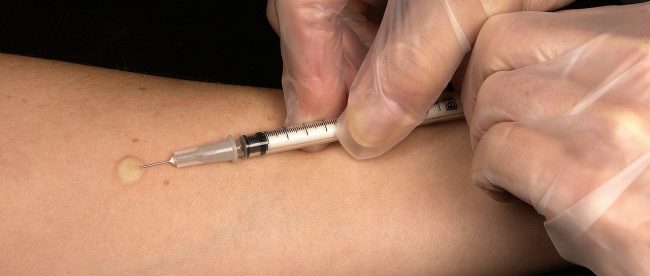
Nein impfen lass ich mich nicht! Wen erinnert diese von Trotz geprägte hypothetische Aussage nicht an die Bildergeschichte vom Suppenkasper des Frankfurter Arztes Heinrich Hoffmann aus der Mitte des vorletzten Jahrhunderts. Mit seinen drastischen Bildergeschichten wollte der Arzt seine Zeitgenossen vor den Folgen von Fehlverhalten warnen.
Wären damals schon die Möglichkeiten des Impfens bekannt gewesen, hätte er vielleicht auch eine Bildergeschichte zum Thema Impfen verfasst und aufgezeigt, wie Impfgegner mit ihrer häufig irrationalen Impfverweigerung nicht nur sich selbst schaden, sondern, um im Bild zu bleiben, andere die Suppe auslöffeln lassen, die sie ihnen mit ihrer Verweigerungshaltung eingebrockt haben. So zumindest kann die Weltgesundheitsorganisation (WHO) verstanden werden, wenn sie Impfgegner in die Liste der weltweiten Gesundheitsbedrohungen aufnimmt.
WHO erklärt Impfgegner zu globalem Gesundheitsrisiko
Durch Impfungen ist es gelungen, gefährliche Virus-Infektionen weltweit auszurotten. Die Pocken sind ein Beleg dafür. Seit 1980 gilt die Welt als pockenfrei. Nur in spezialisierten Hochsicherheitslaboren leben einige wenige Viren weiter. Sollte das nicht auch für andere Virus-Infektionen gelingen? Klar, sagt die WHO und hat das Ziel ausgegeben, in den kommenden Jahren Masern, Polio (Kinderlähmung) und Gebärmutterhalskrebs (HP-Viren) zu eliminieren. Dazu müssten etwa 95% der Bevölkerung geimpft werden, damit den Viren die Lebensgrundlage entzogen erden kann.
Wie die erfolgreiche Ausrottung der Pocken gezeigt hat, kann das auch gelingen. Wären da nicht Impfgegner, die das Ziel gefährden könnten, wie aktuell eindrucksvoll an den Masern abzulesen ist. Sie sollten gemäß WHO-Zielsetzung bis 2020 vollständig eliminiert werden. Doch anstatt weiter abzunehmen, nimmt die Ziel der Masern-Erkrankungen in den letzten beiden Jahren wieder zu. Schuld daran, so hat die WHO ausgemacht, sind Impfgegner, die ihre Kinder nicht impfen lassen und dabei billigend in Kauf nehmen, dass nicht nur ihre eigenen Kinder, sondern auch die aus ihrem Umfeld wie Kindergarten, Schule und Familie an den hochgradig infektiösen Viren erkranken. Impfgegner führen zu ihrer Verteidigung ins Feld, dass es sich bei den Masern um eine harmlose Kinderkrankheit handeln würde, die Kinder einmal durchgemacht haben müssten, um lebenslang gegen das Masern-Virus immun zu sein.
Auch wenn das mit dem lebenslangen Schutz stimmt, so sind die Masern mitnichten eine harmlose Kinderkrankheit. Komplizierte Verläufe können tödlich enden. Gibt es weitere Gründe und Impfrisiken, die die Gegner anführen können?
Ja, da werden von Kritikern und Gegnern sehr viele Gründe angeführt. Sie reichen von völlig abwegig (Keiner der krank machenden Erreger wurde bisher als existent nachgewiesen) bis hin zu solchen, die durch mangelnde Information zu erklären sind (Mit den Impfstoffen können gefährliche Krankheiten wie BSE, AIDS und Krebs übertragen werden). Auch zynisch fatalistische Argumente (Wir Eltern haben als Kinder diese Infektionskrankheiten auch durchgemacht und gut überstanden) werden ins Feld geführt. Für die heute lebenden stimmt das sogar. Nur nicht für die vielen Tausend, die als Kinder an den Folgen von Diphtherie, Keuchhusten oder Kinderlähmung gestorben sind und wahrscheinlich mit einer Impfung überlebt hätten.
Sachliche Aufklärung kann Impfbereitschaft fördern
Impfkritikern und Impfmüden kann mit sachlicher Aufklärungsarbeit begegnet werden. Dazu bieten das Bundesinstitut für Infektionserkrankungen, besser bekannt unter dem Namen Robert-Koch-Institut, sowie das Bundesinstitut für Impfstoffe, bekannt als Paul-Ehrlich-Institut, umfangreiche Informationen an, die von Kritikern und Beratern als Sachinformation genutzt werden können. Langfristig kann die Ausrottung von Masern und anderen Virusinfektionen nur erreicht werden, wenn möglichst viele Impfgegner überzeugt werden und eine Impfquote von mindestens 95% erreicht wird. Sollte dies durch Aufklärung und Information auf freiwilliger Basis nicht gelingen, droht die Einführung einer Impfpflicht. Vertreter des Berufsverbandes der Kinderärzte und einige Politiker sehen in der Einführung einer solchen Impfpflicht die einzige Chance, Masern bis 2020 bei uns auszurotten.
Tipp: Wer sich in Sachen Impfungen unsicher ist und zusätzlichen Informationsbedarf hat, kann sich von seinem Hausarzt beraten lassen. Auch geben die Homepages des Robert-Koch-Institutes unter https://www.rki.de/ und das Portal Impfkontrolle unter www.impfkontrolle.de wertvolle Informationen und setzen sich gezielt mit den Argumenten von Impfgegnern auseinander.
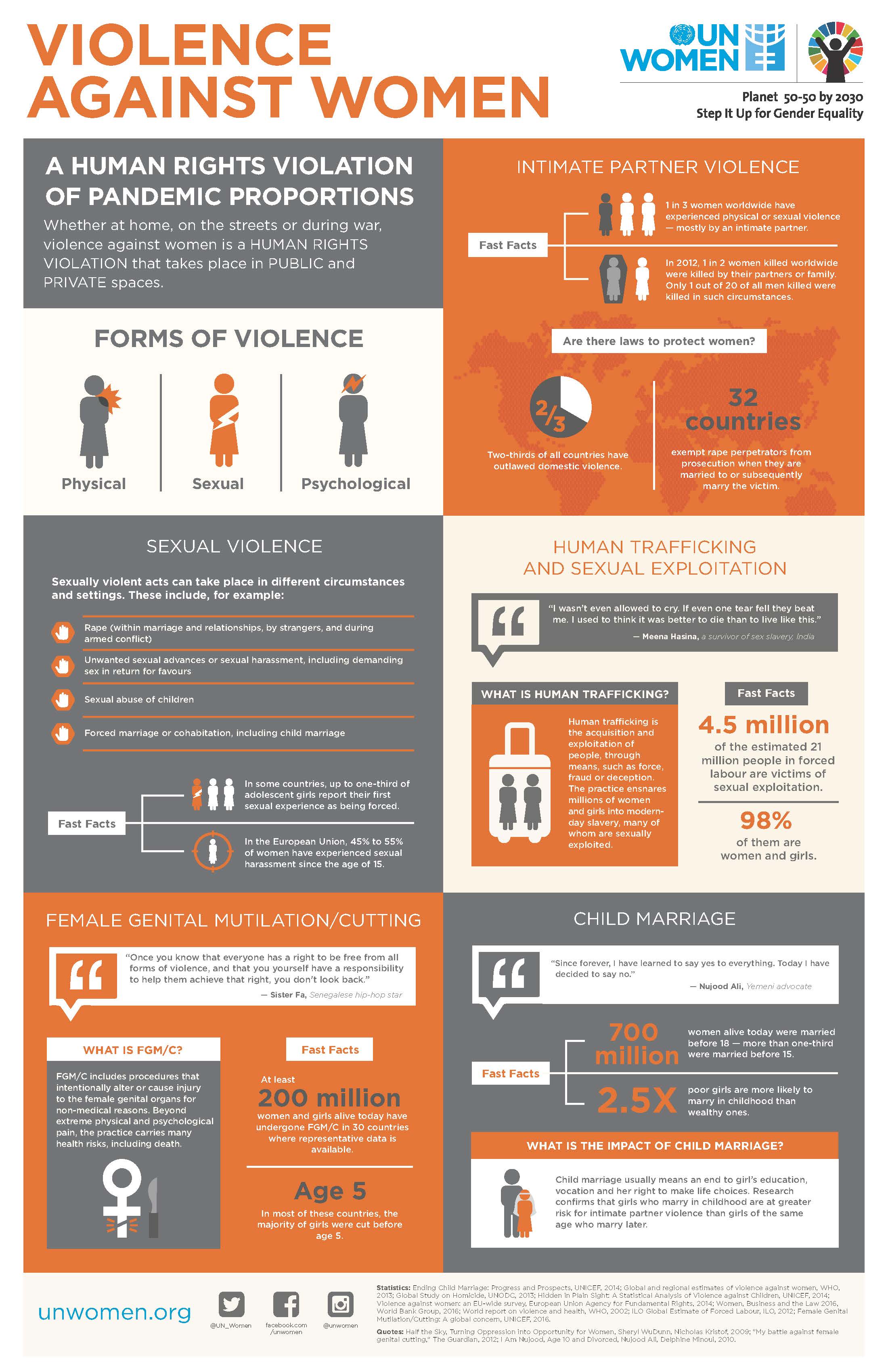
6 verschiedene Wege, um Gewalt gegen Frauen jetzt zu stoppen

Es ist kein Geheimnis, dass einige Länder Frauen als sexuelle Objekte, als das schwächste Ziel, und sogar als Objekte der Gewalt benutzen. Es ist ein Problem, dass trotz der Tatsache, dass einige Länder große Fortschritte gemacht haben, andere in prähistorischer Zeit geblieben sind. Hier haben wir einige Möglichkeiten, die Gewalt gegen Frauen zu stoppen.:
Gesetze
Die Schaffung oder Aufhebung von Gesetzen ist ein Weg, um ein Verhalten der Gesellschaft zu fördern und zu regulieren, das nicht gut ist oder gegen die Menschenrechte verstößt. Es ist also ein positiver Weg, mit einer Veränderung zu beginnen, Gesetze zu schaffen, die nicht auf Frauen als Objekte hinweisen und sie als Menschen schätzen. Frauen, die Opfer unmenschlicher Handlungen wie Gewalt, Missbrauch, Folter, Tod oder gar Diskriminierung sind, müssen geschützt werden.
Kinderheirat oder Mehrfachheirat verbieten
Dies ist eine weitere grausame Maßnahme, bei der Familien die Frauen unabhängig von ihrem Alter verkaufen und an Männer als Teil von Zahlungen für Schulden begabt sind. Gegen diese Fälle sollten Kampagnen gestartet und sogar Sanktionen eingeführt werden, um solche Handlungen zu verbieten.
Ausbildung
Bildung beginnt in der Kindheit. Es ist sehr wichtig, dass Mädchen auch als Menschen berücksichtigt werden, als Menschen, die einen positiven Beitrag zu einem Land leisten können, die die Möglichkeit haben, zu studieren, zu arbeiten oder zu tun, was sie wollen. Wenn man studieren will, sollte niemand die Macht haben, das persönliche Wachstum von Frauen zu verhindern.
Frauen haben Rechte
Frauen haben das gleiche Recht wie jeder Mann auf Zugang zu jedem öffentlichen Dienst, den sie wollen, auf freie Persönlichkeitsentwicklung, auf Wahl, Studium oder auf alles andere, was sie wollen, aber in erster Linie müssen sie wie Menschen behandelt werden und ihre Rechte garantieren.
Sie sind keine Objekte
Wir müssen verstehen, dass Frauen keine Objekte sind, sie sind Menschen mit Gefühlen, Gedanken, Rechten und Männern, und sie verdienen es, die Macht zu haben, zu entscheiden, was sie mit ihrem Leben anfangen sollen, und nicht die Objekte von Männern oder Staaten zu sein, in denen sie sie haben, wie sie wollen, und sie Folter, sexuellem Missbrauch oder sogar dem Tod auszusetzen, nur weil sie glauben, dass sie das Recht dazu haben.
Konfliktlösung
Einige Länder, die an die Objektivierung von Frauen glauben und sie unterstützen, müssen jeden internen oder externen Konflikt lösen und sogar internationale Organisationen für das Land intervenieren lassen. Um dem Land zu helfen, in einer Weise voranzuschreiten, die die Gesellschaft nicht beeinträchtigt, oder weil Frauen als Schutzschilde oder als Objekte benutzt werden, die begabt oder verkauft werden können. Für jedes Problem gibt es alternative Möglichkeiten, Konflikte zu lösen, um nicht noch mehr Gewalt oder Hass zu schüren.
Möglicherweise halten Sie diese Maßnahmen für absurd, da viele Länder diese Art von Doktrinen oder Gedanken haben. Aber in einigen Ländern, in denen Frauen nicht als Menschen, sondern als Objekte geschätzt werden, ist das ein latentes Problem. Das muss aufhören, und dafür ist es notwendig, diese Maßnahmen dringend zu ergreifen.
Folge unserem sozialen


Kürzliche Posts




Copyright © 2024 - Third Wave Foundation - All rights reserved